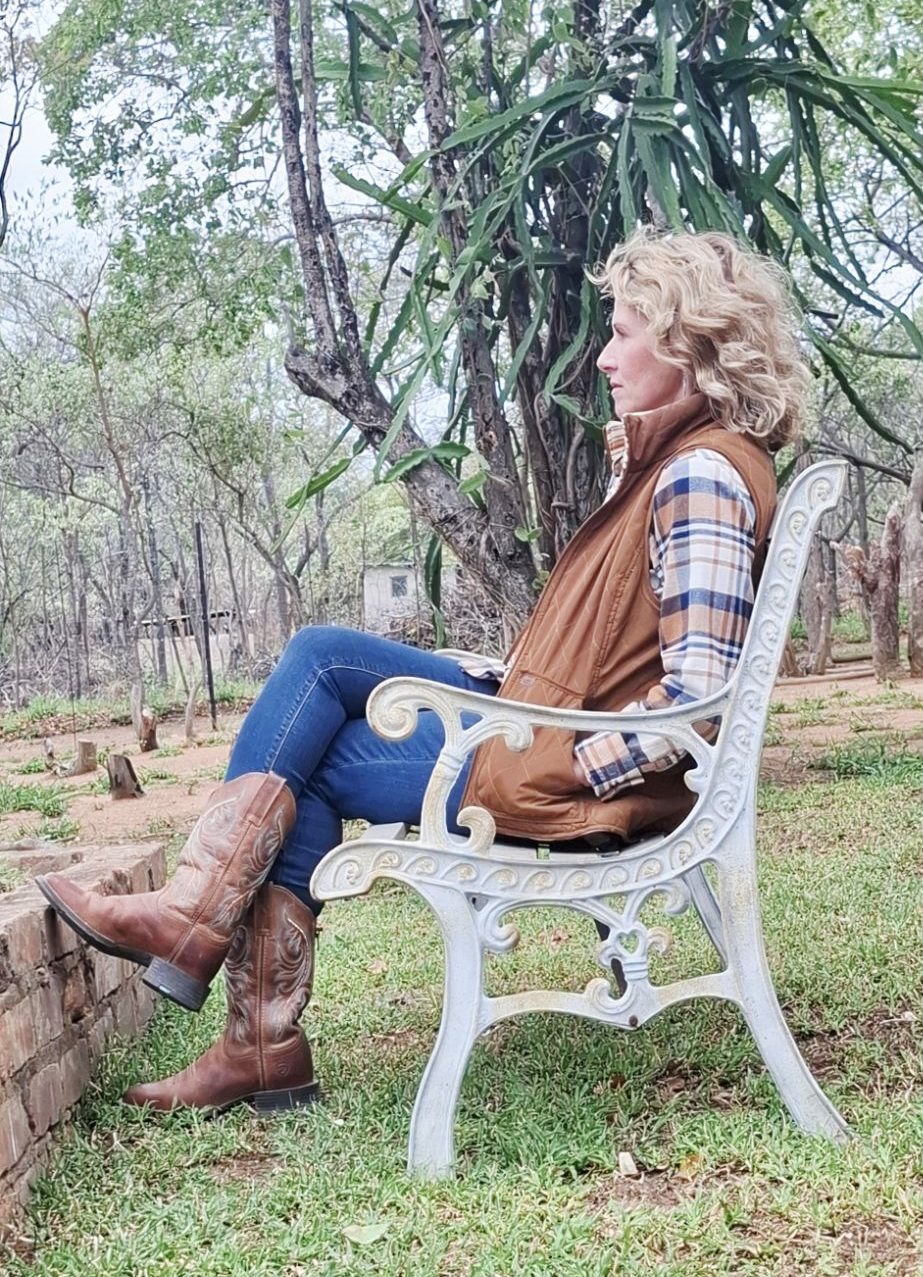
Being a stepmom is probably one of the hardest things I have ever done. People look at us as a family and often say we make it look so easy. Those who don’t know us well usually assume that all three children are mine — and are surprised to learn that two out of the three are my stepchildren.
My biggest fear is that women contemplating divorce might look at me and think that starting over isn’t so hard. But it is. Very hard.
Ask any parent — raising children is no easy task. Raising children who aren’t biologically yours brings unique challenges, filled with complexities that require patience, prayer, and perseverance.
The DNA Divide
When my biological child acts out in a certain way, I can almost always recognize myself or his father in his behaviour. That makes it easier to respond with understanding. With a stepchild, however, you only know one half of their DNA intimately. The other half is a mystery. A person known from afar and through comments and conversations with the children.
And that mystery extends beyond genetics — it shapes the way they see the world, how they process emotions, and what triggers them. Learning to love and parent into that unknown space takes humility and grace that only God can supply.
The Parenting Puzzle
Different parenting styles are another ongoing challenge. Establishing rules and consistency at home becomes complicated when the other household operates differently. Sometimes it’s even the small things — what foods are sent along, or what products are introduced — that create disruption. Especially during the younger years, when parents control to a larger extent what children are exposed to. It takes years to discern which battles are worth fighting and which are best surrendered to peace.
In our case, all the children live with us permanently. This means that by default, I am the parent who enforces structure, discipline, and boundaries. Their biological mother, who only sees them during short school holidays, naturally becomes the “fun mom.” When the children are with her, it’s a holiday. When they return, it’s back to real life — homework, chores, rules.
It used to frustrate me deeply. I tried to involve her more with the harder side of parenting, especially as my stepdaughter entered her teenage years. But I quickly learned that words and promises made over a phone call often don’t hold up in reality.
A Promise Before God
Eight years later, I have been raising my stepchildren for three years longer than they lived with their biological mother. Yet she remains their mom — and always will. There were moments when I was ready to give up, but I made a promise to my husband before God — a covenant — that I am determined not to break.
We live in a time when marriage is often treated as a contract rather than a covenant. The sacredness of marriage as designed by God has faded into the background. The world tells women to “choose happiness,” to leave if things get hard. “The children will be fine,” they say.
But those words are far from the truth. When you live in a blended family, you see clearly just how deeply the fracture of divorce runs — and how far it takes us from God’s original design.
A Call to Restore
I’m not saying that it’s impossible to find joy in a second chance. I love my husband. We do life together as a team. But hear me clearly — if there is a way to restore your marriage, fight for it. Seek God first. Pray without ceasing. Do not give up simply because it’s hard.
Unless your life or your children’s lives are in danger, do everything in your power to bring your marriage back under God’s covering. Many marriages fall apart not because of tragedy, but because couples have drifted away from the Word — from God’s plan for unity, love, and stewardship of family. Instead they shifted their focus to the world’s view on marriages. Easy to step into and easy to jump out.
“But at the beginning of creation God ‘made them male and female.’
For this reason a man will leave his father and mother and be united to his wife,
and the two will become one flesh.
So they are no longer two, but one flesh.
Therefore what God has joined together, let no one separate.”
— Mark 10:6–9
Marriage is hard work. It refines you. It teaches humility, forgiveness, and compromise. But when you put God at the centre — truly at the centre — it becomes a space of grace rather than struggle.
When you put an ex-spouse at the centre, chaos reigns.
Choose wisely.
 Wild Soul Notes